


Home – Shelter Program – Tips of Adopting a Cat?
Home – Shelter Program – Tips of Adopting a Cat?
Thinking of Adopting a Cat?
Here’s what you should know before bringing one home
Five Key Considerations for Cat Adoption Before
Bringing Home Your New Feline Friend
Spend time with the cat multiple times to ensure comfort and connection.
Ask about the cat’s personality, medical history, and habits before adopting.
Create a welcoming environment with a litter box, food, and hiding spots.
Allow the cat to adjust at their own pace for a smoother transition.
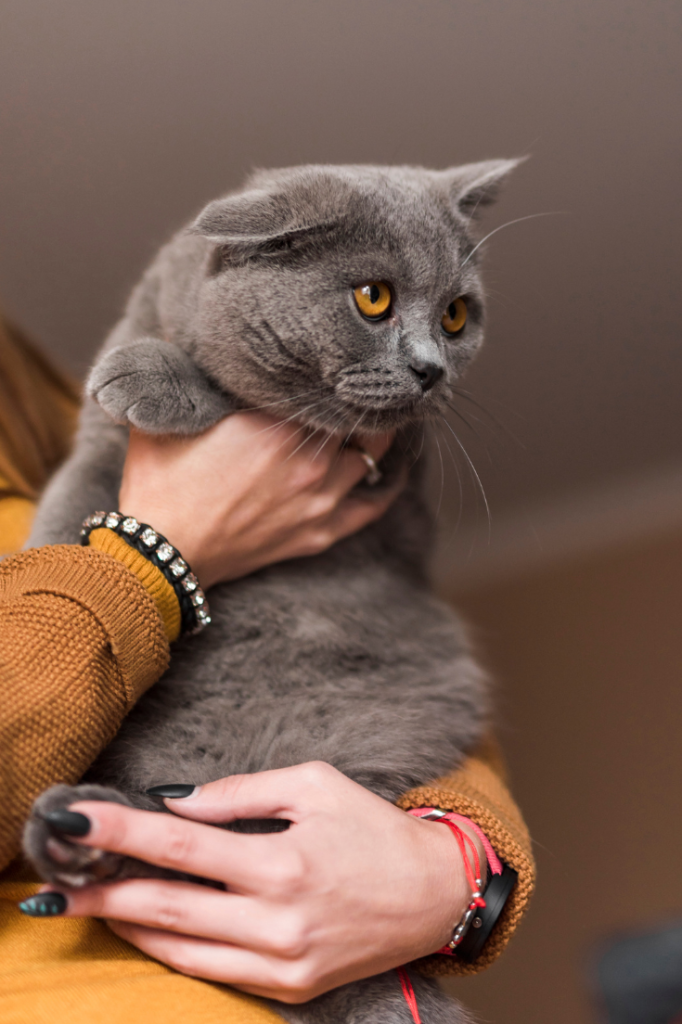
Building a connection is
essential for a smooth transition.
Spend Time Before You Decide: Importance of Multiple Meetings
Before adopting a cat, it’s crucial to meet them multiple times. This helps gauge your comfort and connection with the cat. Each visit allows you to observe their behavior and personality, ensuring you make a well-informed decision. Building a bond before bringing them home can lead to a smoother transition for both of you.

Important Questions to Ask
When considering adopting a cat, it’s essential to ask important questions. Inquire about the cat’s personality, medical history, and daily habits. Understanding how the cat interacts with people and other pets can guide your decision. Shelter staff can provide valuable insights to ensure a good match between you and the feline. This knowledge helps create a harmonious environment and fosters a strong bond from the start. Don’t hesitate to seek information—it’s crucial for a happy adoption experience!
Create a Welcoming Space for Your Cat
Preparing your home before bringing a new cat in is essential for their comfort and adjustment to ensure a smooth transition.
Quiet Area
Designate a calm, quiet space for your cat, equipped with a litter box, food and water, and cozy hiding spots.
Scratching Surfaces
Provide plenty of scratching surfaces to help your cat feel secure and to encourage natural behaviors.
Gradual Introduction
Allow your cat to explore their new environment at their own pace, ensuring a gentle adjustment to their new home.
Allow Gentle Adjustment
Create a Calm Environment
Designate a calm, quiet space for your cat, equipped with a litter box, food and water, and cozy hiding spots.
Set a Routine
Designate a calm, quiet space for your cat, equipped with a litter box, food and water, and cozy hiding spots.
Be Patient and
Observant
Provide plenty of scratching surfaces to help your cat feel secure and to encourage natural behaviors.
Encourage Positive Interactions
Allow your cat to explore their new environment at their own pace, ensuring a gentle adjustment to their new home.
Support Gentle Socialisation
To help your new cat feel safe, it’s essential to gradually introduce new experiences. Start with short, positive interactions to encourage confidence building. Use treats and praises to reinforce good behavior. Allow the cat to explore their surroundings at their own pace without overwhelming them. This gentle approach will foster a trusting bond between you and your cat, ensuring they feel comfortable in their new home.

“SHELTER CATS ARE SICK OR UNHEALTHY.”
Most cats are vaccinated, dewormed, and given health checks before adoption. Many are perfectly healthy and just waiting for a home.
“CATS IN SHELTERS HAVE BEHAVIOUR PROBLEMS.”
Most cats are surrendered due to circumstances like moving, allergies, or financial issues — not because of their behaviour. With patience, they adapt well.
“ADULT CATS CAN’T BOND LIKE KITTENS.”
Adult cats form deep, loyal attachments. Many adopters say older cats are calmer, affectionate, and easier to integrate into family life.
“ONLY KITTENS CAN BE TRAINED.”
Cats of all ages can learn! With treats, play, and consistency, even senior cats can pick up new routines and behaviours.
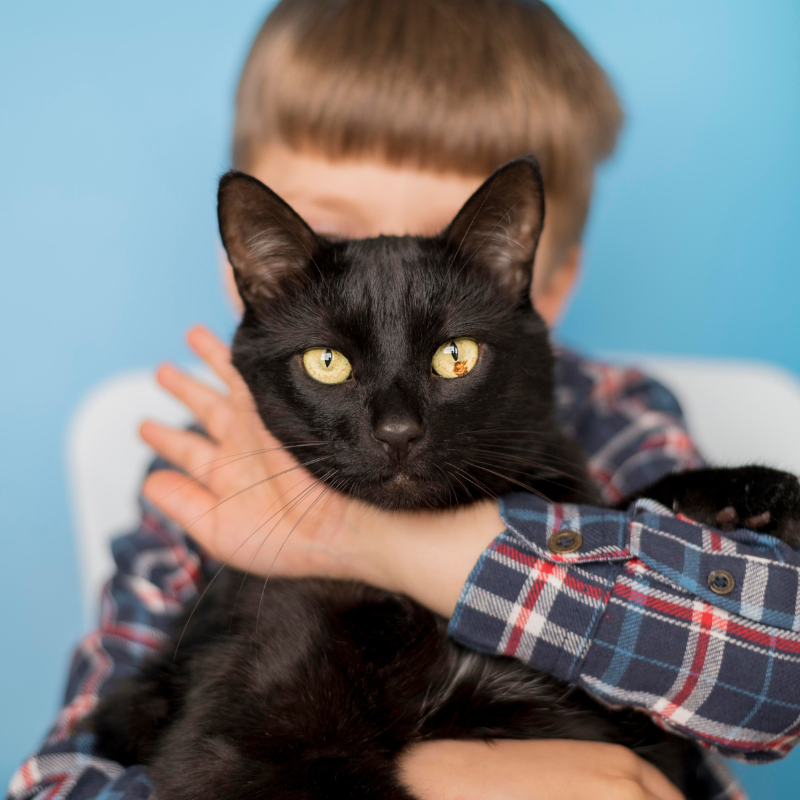
“BLACK CATS ARE UNLUCKY.”
Black cats are just as loving and playful as any other — sadly, superstition often delays their adoption. In many cultures, they’re considered symbols of good luck.
“CATS DON’T NEED MUCH ATTENTION.”
While more independent than dogs, cats still crave companionship, play, and affection. Adoption is a long term relationship, not just food and litter care.